With so many websites competing for the top spot, ranking in Google search results can feel like an uphill battle. Optimising for Google’s search results can significantly boost your SEO, enhancing visibility and attracting more traffic. The right tools and strategies can help analyse and improve your site’s ranking, boosting organic traffic and growth through Google. In this article, we’ll walk through practical steps and tools to optimise your site for better rankings in 2025.
Understanding SEO and Its Importance
Search Engine Optimisation (SEO) enhances your website’s visibility in search engine results pages (SERPs). By using various techniques, SEO helps search engines understand your content, increasing its chances of ranking for relevant keywords. This is essential for businesses and individuals seeking to drive traffic, build online presence, and increase sales.
SEO isn’t just about ranking higher; it’s about being found by the right audience. When search engines understand your content, they can match it to user queries more effectively. By optimising your site, you build brand awareness and establish authority, making it vital for any successful digital marketing strategy.
Check if Your Site is Crawlable or Indexable by Search Engines
If Google hasn’t indexed your site, it won’t show up in search results. Google can find new pages on its own, but it’s best to check and speed up the process with Google Search Console. Set up Google Search Console, submit your sitemap, and check indexing status to ensure it’s being crawled. Make sure your site is crawlable and indexable by other search engines to maximise visibility.
Stay on top of changes, especially Google’s Core Updates, which can temporarily affect visibility. Above all, focus on refining your content and delivering value to users—that’s what Google will judge your site on.
Acquiring keyword data is crucial for understanding search volume and difficulty, guiding content creation and optimisation.
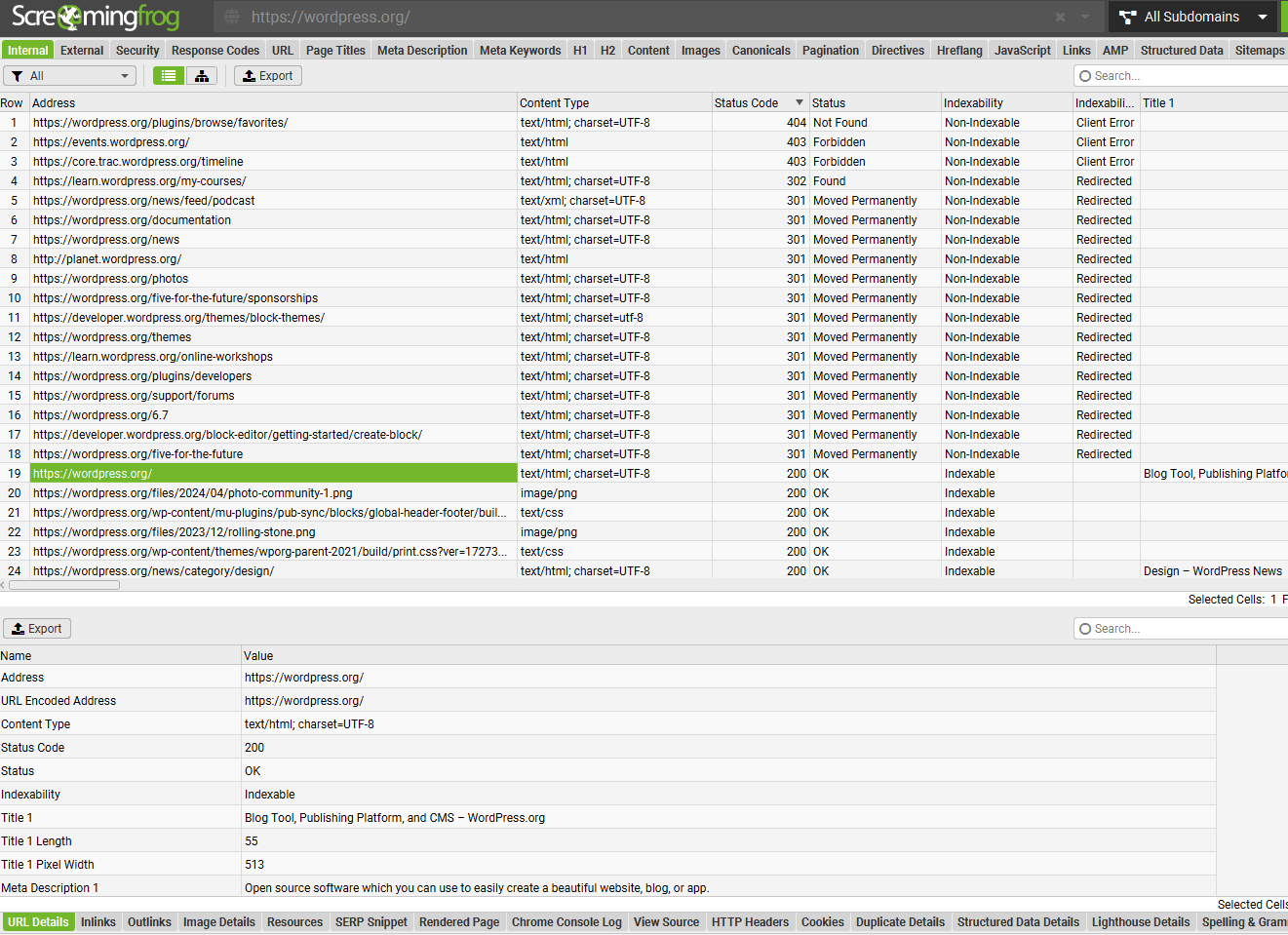
Use tools like Screaming Frog to check issues preventing indexing, such as broken links, and ensure your site structure is crawlable.
Optimise On-Page Elements and Optimise Images
Optimising on-page elements improves both user experience and search engine understanding. Focus on:
- Short, descriptive page titles with primary keywords.
- SEO-friendly URLs that match the content.
- Meta descriptions that act as a concise, attractive summary of the page, enticing users to click through.
- Structured headings (H1, H2, H3) to create content hierarchy.
- Optimised images with proper titles and alt texts for search engines to crawl. Ensure images are compressed and mobile-friendly to improve loading times and user experience.
Create Valuable Content
Search engines, especially Google, reward content based on its perceived value to users. The goal is to help users find content that best matches their needs at the moment.
Optimising content for relevant keywords is crucial. Incorporate keywords naturally in your body content to improve visibility and attract legitimate visitors.
Key content factors include:
- Uniqueness, informativeness, and thorough research.
- Visual appeal, including images, videos, and infographics.
- Regular updates to stay relevant.
- Originality—avoid plagiarised or duplicated content. Ensure your content provides sufficient detail, e.g., 100 word article on how to install LAMP stack on AlmaLinux.
Another key point is to remember to follow E-E-A-T principles (Experience, Expertise, Authoritativeness, and Trustworthiness) to improve credibility and ranking potential.
Do Your Keyword Research for Target Keywords
Understanding how users search for information is key to reaching the right audience. Use keyword research tools like Ahrefs and SEMrush to find terms relevant to your content. Focus on long-tail keywords as they have less competition and are more specific, aiding engagement and conversions.
Incorporating low-competition keywords is an effective strategy for improving SEO by targeting terms with fewer competitors, helping your content rank higher more quickly. Also, understand search intent. Keywords can be informational, navigational, transactional, or for commercial investigation. Matching your content to user intent improves relevance and conversions.
Creating Linkable Assets and Content Partnerships
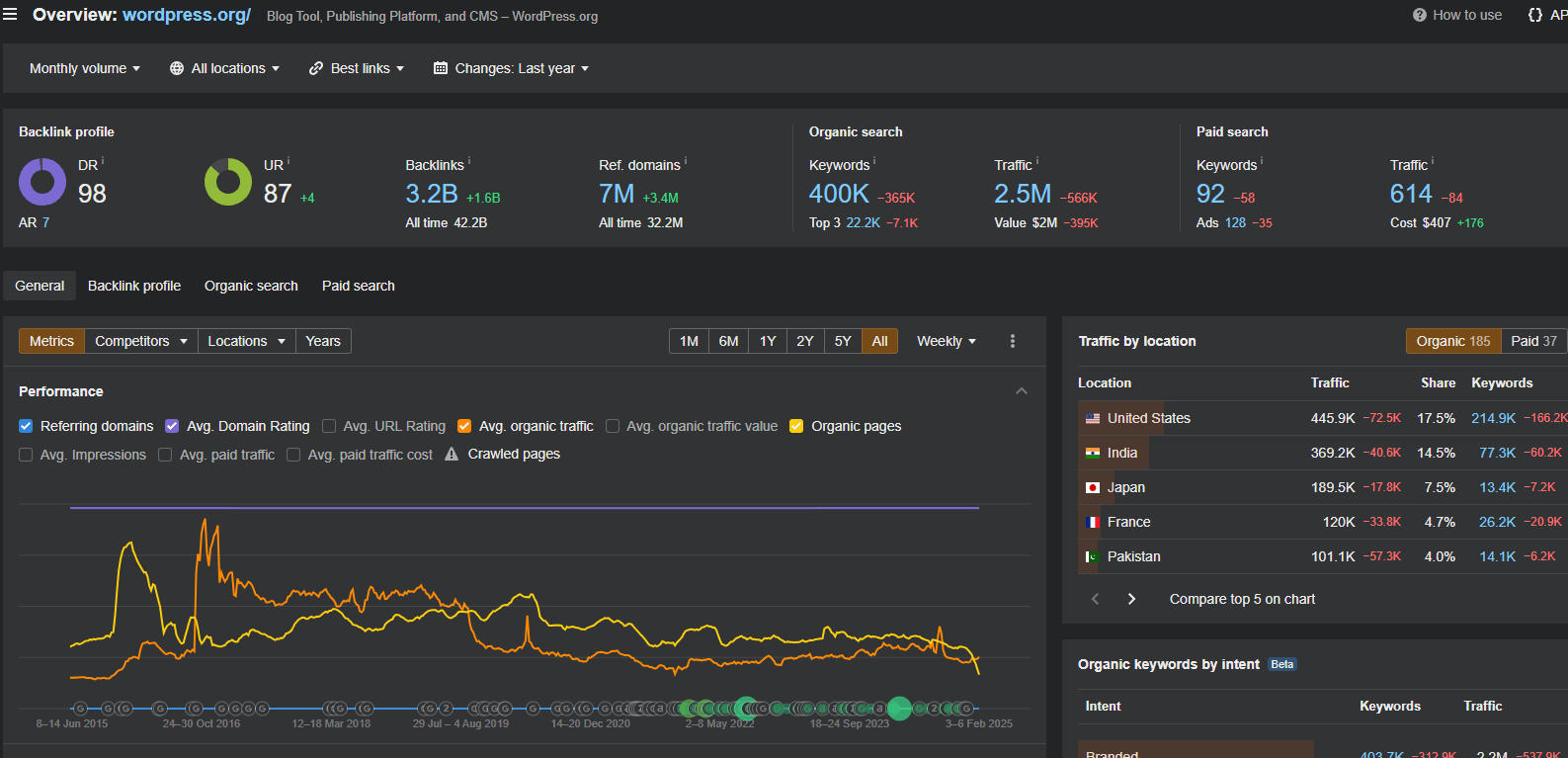
Linkable assets are high-quality, valuable content pieces that others are likely to link to. These include infographics, guides, research reports, and interactive tools. By offering unique, informative content, you increase the chances of earning backlinks, which are vital for improving rankings.
Content partnerships, such as guest posts or joint webinars, enhance your credibility and authority in your niche. When reputable sites link to your content, it signals trust to search engines, boosting SEO.
Mobile-Friendly Design
With Google’s mobile-first indexing, your website’s mobile version must be prioritised. If your site isn’t mobile-friendly, improve it by:
- Using responsive design to adapt to different screen sizes.
- Improving page speed for a smoother mobile experience.
- Running Lighthouse testing to ensure mobile optimisation.
- Using mobile-friendly navigation, avoiding intrusive pop-ups, and ensuring easy-to-click buttons.
Secure Your Website with Google Search Console
A secure website builds trust and ranks better. Key security measures include:
- SSL encryption (HTTPS) to protect user data.
- A secure hosting provider with robust protection.
- Keeping software, plugins, and themes updated.
- Running regular security checks for vulnerabilities.
- Using 2FA for extra security.
Speed Up Your Website
Google’s Core Web Vitals update has prioritised page speed. Faster load times reduce bounce rates and improve rankings. To optimise performance:
- Compress images for faster load times.
- Minimise unnecessary scripts and plugins.
- Enable browser caching and lazy loading.
- Use a Content Delivery Network (CDN) for content distribution.
- Upgrade your hosting plan or use a dedicated server for faster server-side optimisation.
Use Internal Linking for Navigation
Internal linking helps Google understand your site structure and improves user navigation. Naturally link to relevant pages, passing link equity and increasing dwell time. Use breadcrumb navigation to help users understand where they are and provide an easy path back to higher-level pages, improving both UX and SEO.
Get High-Quality Backlinks
Backlinks from authoritative sites build credibility and improve rankings. Some effective strategies include:
- Guest posting on relevant platforms.
- Creating shareable assets like infographics and reports.
- Digital PR to get mentioned in reputable publications.
- Broken link building, offering your content as a replacement for outdated links.
- Participating in industry forums to establish yourself as an expert and generate referral traffic.
When building backlinks, assess link quality. Spammy links or bad practices can harm authority in the long run.
Local SEO Strategies
Local SEO optimises your website to rank better in local search results, vital for businesses serving specific regions. Here are some effective strategies:
- Claim and Optimise Google My Business: Ensure your business is listed and updated on Google My Business.
- Build High-Quality Local Citations: List your business on local directories and platforms. Consistent NAP (Name, Address, Phone) information boosts local SEO.
- Create Locally Relevant Content: Develop content focused on local events, news, or community activities.
- Use Location-Specific Keywords: Use keywords with your city or region in website content and meta tags to help search engines associate your business with local searches.
- Earn Local Backlinks: Build relationships with local businesses to earn backlinks and establish your local presence.
Tracking and Analysis
Tracking and analysis are essential to an effective SEO strategy. Monitoring your site’s performance helps identify areas for improvement and informs optimisation efforts. Use tools like Google Analytics and Google Search Console for valuable insights into metrics like traffic, bounce rates, and keyword performance.
Analysing data helps refine your SEO strategy. For example, if certain keywords are driving traffic, focus on creating more content around those terms. If a page has a high bounce rate, investigate and improve its content or user experience.
Setting Up Your SEO Strategy
An effective SEO strategy starts with thorough keyword research. Use tools like SEMrush and Ahrefs to identify relevant keywords. Once you have your target keywords, optimise your website structure and content to be search-engine friendly. Craft keyword-rich content, optimise meta tags, and ensure your site is mobile-friendly with fast loading speeds. Building a strong backlinks profile is crucial to boosting your site’s authority and improving rankings.
Optimising Your Website for Search Engines
SEO involves technical and non-technical strategies. On the technical side, ensure your site is crawlable, indexable, and uses HTTPS. Fast loading speeds are essential, so consider using a CDN and enabling browser caching. On the non-technical side, create high-quality, keyword-rich content, optimise meta tags, build high-quality links, and maintain a clear navigation structure. These efforts help search engines understand your content, improving rankings.
Creating High-Quality Content
Quality content is key to SEO success. Focus on delivering value to your audience by creating relevant, informative, and engaging content. Incorporate your target keywords naturally. The content can be blog posts, articles, videos, or infographics. Keep your target audience in mind, offering actionable tips and using clear language. By focusing on valuable content, you’ll improve rankings and build a loyal audience.
Staying Up-to-Date with SEO Trends
SEO is constantly evolving. Stay ahead of trends to maintain or improve rankings. Key trends include:
- Voice Search Optimisation: Optimise for natural language and long-tail keywords to match conversational queries.
- AI and Machine Learning: Understand how AI and ML impact search algorithms to tailor SEO strategies.
- Mobile-First Indexing: Ensure your site is mobile-friendly with responsive design and fast load times.
- Video Content: Optimise videos with relevant keywords in titles, descriptions, and tags.
- Technical SEO: Regularly audit your site to meet technical SEO best practices.
By staying up-to-date with SEO trends, you can ensure your website remains optimised and competitive.

About Angus
Angus is the Website and Content Developer at Unlimited Web Hosting UK where he crafts clear, engaging content optimised for humans.

You May Also Like
Related articles you might find interesting.

Ready to get started?
Launch your website with our reliable cPanel hosting with unlimited bandwidth and expert support.
Get cPanel Hosting